


Effects and precaution measures
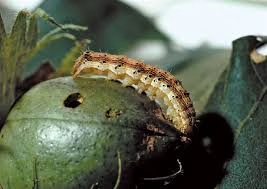
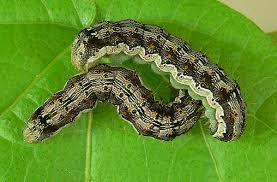
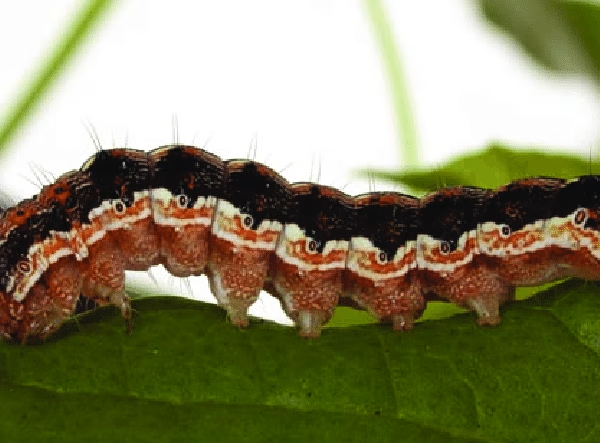
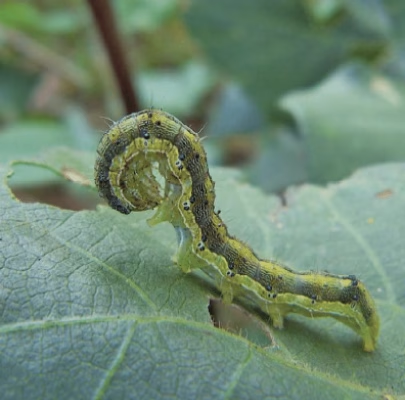
The bollworm, also known as the corn earworm or tomato fruitworm, is a common agricultural pest found in many parts of the world. It belongs to the genus Helicoverpa and includes several species, with Helicoverpa zea being the most prevalent in North America.
Characteristics and Behavior:
Appearance: The adult bollworm moth has a wingspan of about 1 to 1.5 inches (2.5 to 3.8 cm). It can vary in color from light tan to dark brown with mottled patterns.
Life Cycle: Bollworms undergo a complete metamorphosis, consisting of four stages: egg, larva (caterpillar), pupa, and adult. Adult moths lay eggs on host plants, which hatch into larvae that feed on various parts of the plant.
Host Plants: Bollworms are polyphagous, meaning they feed on a wide range of plants. They are particularly damaging to crops like corn, cotton, tomatoes, soybeans, and peppers.
Damage:
Feeding Habits: Bollworm larvae primarily feed on reproductive structures of plants, such as buds, flowers, and developing fruits. This feeding can lead to reduced yield and quality of the crops.
Economic Impact: Infestations of bollworms can cause significant economic losses to farmers due to reduced crop yields and the cost of pest management.
Control Methods:
Biological Control: Natural enemies like parasitic wasps and predators such as birds can help in controlling bollworm populations.
Chemical Control: Insecticides are commonly used to manage bollworm infestations. However, over-reliance on chemical control can lead to resistance in bollworm populations.
Cultural Practices: Crop rotation, planting resistant varieties, and timely harvesting can also help reduce bollworm populations.
Genetic Control: Some genetically modified (GM) crops have been developed to express proteins toxic to bollworms, offering a form of built-in resistance.
Managing bollworms requires an integrated approach combining different control methods to reduce their impact on agricultural production effectively.
બોલવોર્મ, જેને મકાઈના કાનના કીડા અથવા ટમેટા ફ્રુટવોર્મ તરીકે પણ ઓળખવામાં આવે છે, તે વિશ્વના ઘણા ભાગોમાં જોવા મળતી સામાન્ય કૃષિ જંતુ છે. તે હેલિકોવરપા જીનસની છે અને તેમાં ઘણી પ્રજાતિઓનો સમાવેશ થાય છે, જેમાં હેલિકોવરપા ઝી ઉત્તર અમેરિકામાં સૌથી વધુ પ્રચલિત છે.
લાક્ષણિકતાઓ અને વર્તન: દેખાવ: પુખ્ત બોલવોર્મ શલભની પાંખો લગભગ 1 થી 1.5 ઇંચ (2.5 થી 3.8 સેમી) જેટલી હોય છે. તે ચિત્તદાર પેટર્ન સાથે હળવા ટેનથી ઘેરા બદામી રંગમાં ભિન્ન હોઈ શકે છે. જીવન ચક્ર: બોલવોર્મ્સ સંપૂર્ણ મેટામોર્ફોસિસમાંથી પસાર થાય છે, જેમાં ચાર તબક્કાઓનો સમાવેશ થાય છે: ઇંડા, લાર્વા (કેટરપિલર), પ્યુપા અને પુખ્ત. પુખ્ત શલભ યજમાન છોડ પર ઇંડા મૂકે છે, જે છોડના વિવિધ ભાગોને ખવડાવતી લાર્વામાં બહાર નીકળે છે. યજમાન છોડ: બોલવોર્મ્સ પોલીફેગસ છે, એટલે કે તેઓ છોડની વિશાળ શ્રેણીને ખવડાવે છે. તેઓ ખાસ કરીને મકાઈ, કપાસ, ટામેટાં, સોયાબીન અને મરી જેવા પાકોને નુકસાન પહોંચાડે છે.
નુકસાન: ખોરાક આપવાની આદતો: બોલવોર્મ લાર્વા મુખ્યત્વે છોડની પ્રજનન રચનાઓ, જેમ કે કળીઓ, ફૂલો અને વિકાસશીલ ફળોને ખવડાવે છે. આ ખોરાક આપવાથી પાકની ઉપજ અને ગુણવત્તામાં ઘટાડો થઈ શકે છે. આર્થિક અસર: બોલવોર્મના ઉપદ્રવથી ખેડૂતોને પાકની ઉપજમાં ઘટાડો અને જંતુ વ્યવસ્થાપન ખર્ચમાં નોંધપાત્ર આર્થિક નુકસાન થઈ શકે છે.
નિયંત્રણ પદ્ધતિઓ:
જૈવિક નિયંત્રણ: કુદરતી દુશ્મનો જેમ કે પરોપજીવી ભમરી અને શિકારી જેવા કે પક્ષીઓ બોલવોર્મની વસ્તીને નિયંત્રિત કરવામાં મદદ કરી શકે છે. રાસાયણિક નિયંત્રણ: જંતુનાશકોનો ઉપયોગ સામાન્ય રીતે બોલવોર્મના ઉપદ્રવને નિયંત્રિત કરવા માટે થાય છે. જો કે, રાસાયણિક નિયંત્રણ પર વધુ પડતી નિર્ભરતા બોલવોર્મની વસ્તીમાં પ્રતિકાર તરફ દોરી શકે છે. સાંસ્કૃતિક પદ્ધતિઓ: પાકનું પરિભ્રમણ, પ્રતિરોધક જાતોનું વાવેતર અને સમયસર લણણી પણ બોલવોર્મની વસ્તી ઘટાડવામાં મદદ કરી શકે છે. આનુવંશિક નિયંત્રણ: કેટલાક આનુવંશિક રીતે સંશોધિત (GM) પાકો પ્રોટીનને બોલવોર્મ્સ માટે ઝેરી વ્યક્ત કરવા માટે વિકસાવવામાં આવ્યા છે, જે બિલ્ટ-ઇન પ્રતિકારનું સ્વરૂપ પ્રદાન કરે છે.
બોલવોર્મ્સના સંચાલન માટે કૃષિ ઉત્પાદન પર તેમની અસરને અસરકારક રીતે ઘટાડવા માટે વિવિધ નિયંત્રણ પદ્ધતિઓ સાથે સંકલિત અભિગમની જરૂર છે.

Target Pests : All types of Bollworm , Also can control Pink Bollworm till some extent.
Process :
1. 15 gram to 20 gram in 16 litre tank of Pump .
2. 1 gram dose per liter
3. It can be used in Irrigation Method or even by Drenching Method.
(Emamectin benzoate 5% SG) is a water soluble liquid formulation containing 5% active ingredient and is recommended for the control of bollworms in Cotton; Leaf folder & hispa on Paddy; Green semilooper, Pod borer, Girdle beetle and Tobacco caterpillar on Soybean; pod borer on Checkpea; fruit borer & thrips on Chilli.
It is an insecticide with stomach action and should be ingested by the larvae to be most effective.
Affected larvae become paralyzed and stop feeding shortly after exposure to Emamectin Benzoate 5% SG and subsequently die after 2-4 days
No account yet?
Create an Account