


Informative Blog
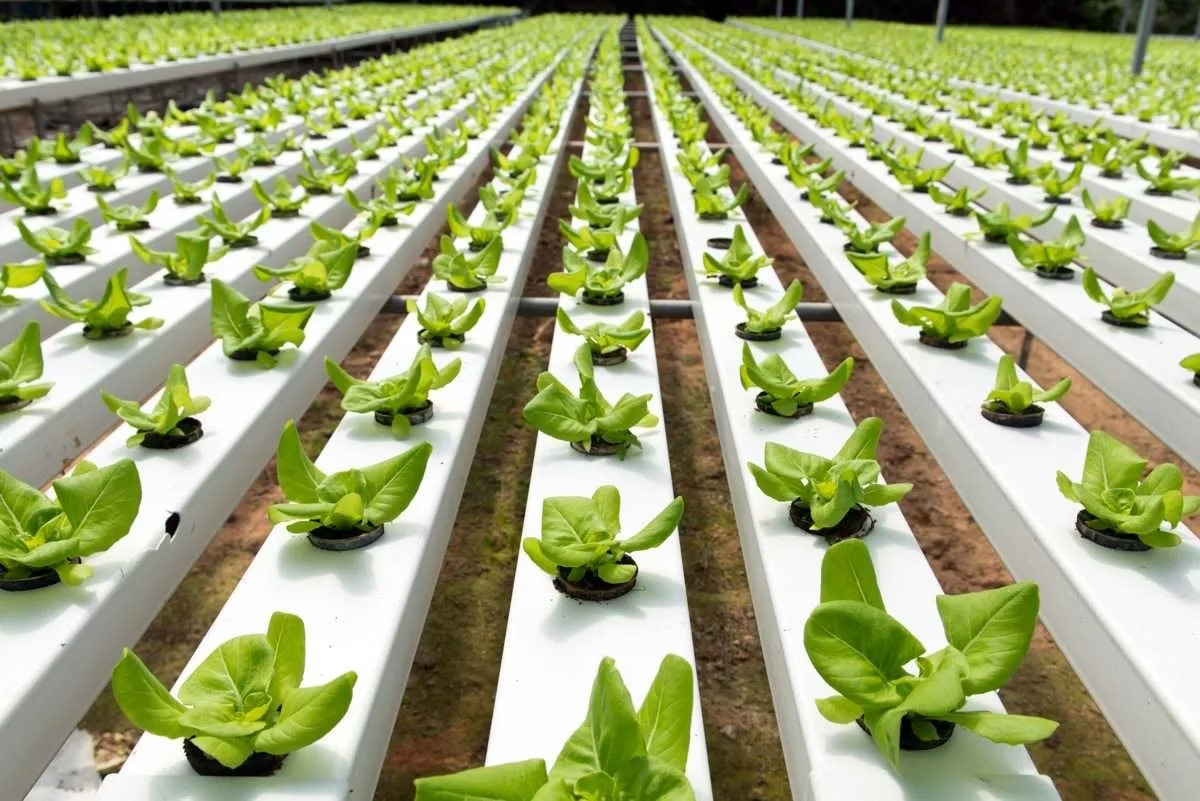
Hydroponic farming is a method of growing plants without soil, using nutrient-rich water solutions to provide plants with the essential elements they need to grow. This method has gained popularity in recent years due to its efficiency, potential for high yields, and ability to grow plants in environments where traditional soil-based agriculture may not be feasible.
Here are some key aspects of hydroponic farming:
Types of Hydroponic Systems:
Deep Water Culture (DWC): Plants are suspended in a nutrient solution with their roots submerged. Air stones or pumps are used to provide oxygen to the roots.
Nutrient Film Technique (NFT): A thin film of nutrient solution flows over the roots of plants, providing nutrients and oxygen. The excess solution is recirculated back to the reservoir.
Ebb and Flow (or Flood and Drain): Plants are periodically flooded with nutrient solution from a reservoir and then drained back, allowing the roots to have access to both water and oxygen.
Drip System: Nutrient solution is delivered directly to the base of each plant through drip emitters, ensuring a constant supply of nutrients.
Aeroponics: Roots are suspended in the air and misted with nutrient solution at regular intervals. This method provides high levels of oxygen to the roots.
Advantages of Hydroponic Farming:
Water Efficiency: Hydroponic systems use significantly less water compared to traditional soil-based farming, as water is recirculated within the system.
Higher Yields: Controlled environments allow for optimal growth conditions, potentially leading to faster growth rates and higher yields.
Space Efficiency: Hydroponic systems can be designed to maximize vertical space, making them suitable for urban environments and areas with limited land.
Reduced Pest and Disease Pressure: Soil-borne pests and diseases are less of a concern in hydroponic systems, reducing the need for pesticides and fungicides.
Year-Round Production: Indoor hydroponic farms can operate year-round, regardless of external weather conditions, providing a consistent supply of fresh produce.
Challenges and Considerations:
Initial Investment: Setting up a hydroponic system can require a significant initial investment in equipment, lighting, and infrastructure.
Maintenance: Hydroponic systems require regular monitoring and maintenance to ensure proper nutrient levels, pH balance, and system functionality.
Nutrient Management: Proper nutrient management is crucial in hydroponic farming to avoid nutrient deficiencies or toxicities. Monitoring and adjusting nutrient solutions are essential tasks.
Energy Consumption: Indoor hydroponic farms often require artificial lighting, which can contribute to higher energy costs.
Learning Curve: Hydroponic farming may require a learning curve for those new to the method, as understanding plant nutrition, system design, and maintenance is essential for success.
Despite these challenges, hydroponic farming offers a promising solution for sustainable agriculture, especially in urban areas and regions with limited access to fertile land or water resources. With advancements in technology and growing techniques, hydroponic farming continues to evolve and expand, contributing to the production of fresh, locally grown produce around the world.
No account yet?
Create an Account