


Top pesticides to kill Sucking pest

Understanding the Menace: Sucking Pests and Their Ravages
Sucking pests, a silent army of tiny terrors, pose a significant threat to global agriculture. These insidious insects, armed with piercing-sucking mouthparts, extract vital sap from plants, weakening them and making them susceptible to diseases. Some of the most notorious sucking pests include:
- Aphids: These soft-bodied insects come in various colors and can rapidly infest plants, causing stunted growth, leaf curling, and the transmission of viral diseases.
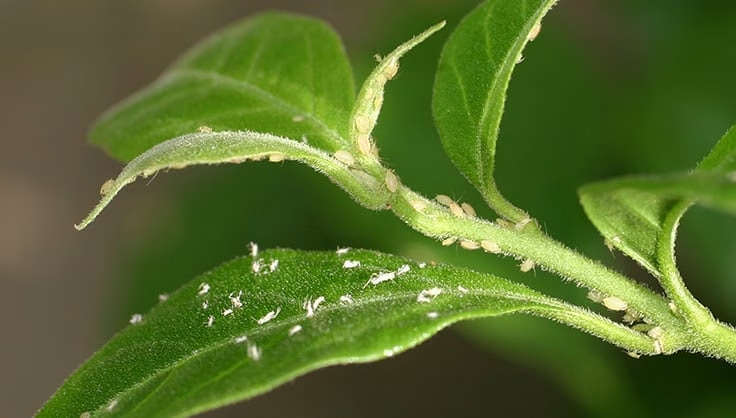
Aphids on a plant
Whiteflies: These tiny, winged insects often congregate on the undersides of leaves, sucking sap and excreting honeydew, which promotes the growth of sooty mold.
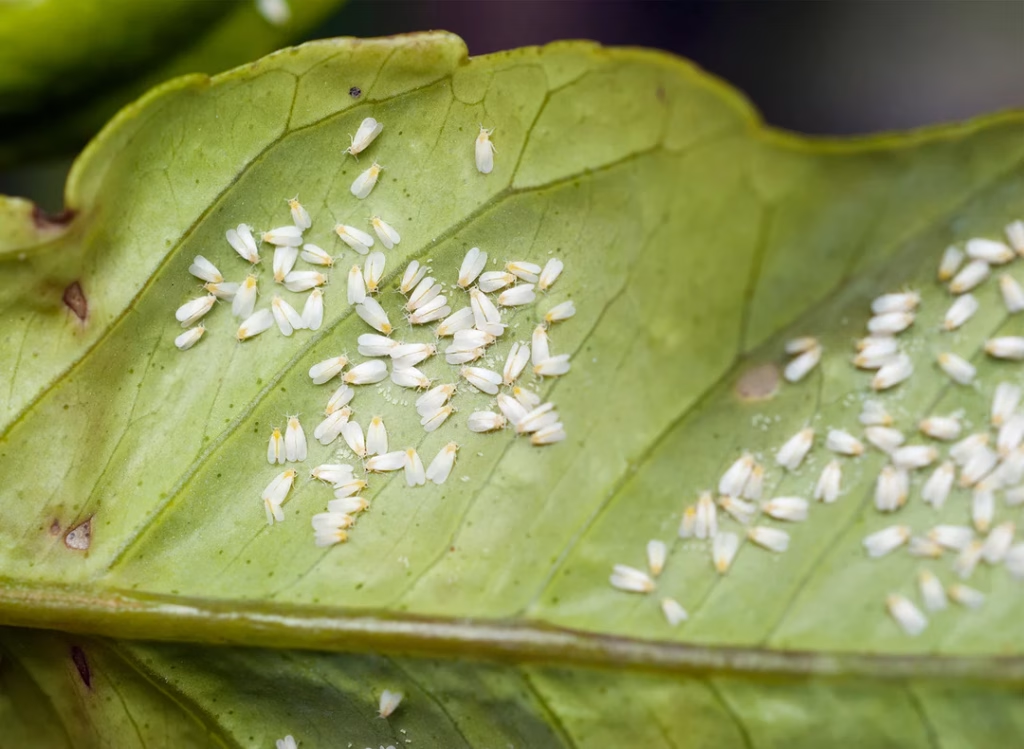
Whiteflies on a plant
Mealybugs: These pests, covered in a white, cottony wax, suck sap from plants, leading to stunted growth, leaf yellowing, and plant death.
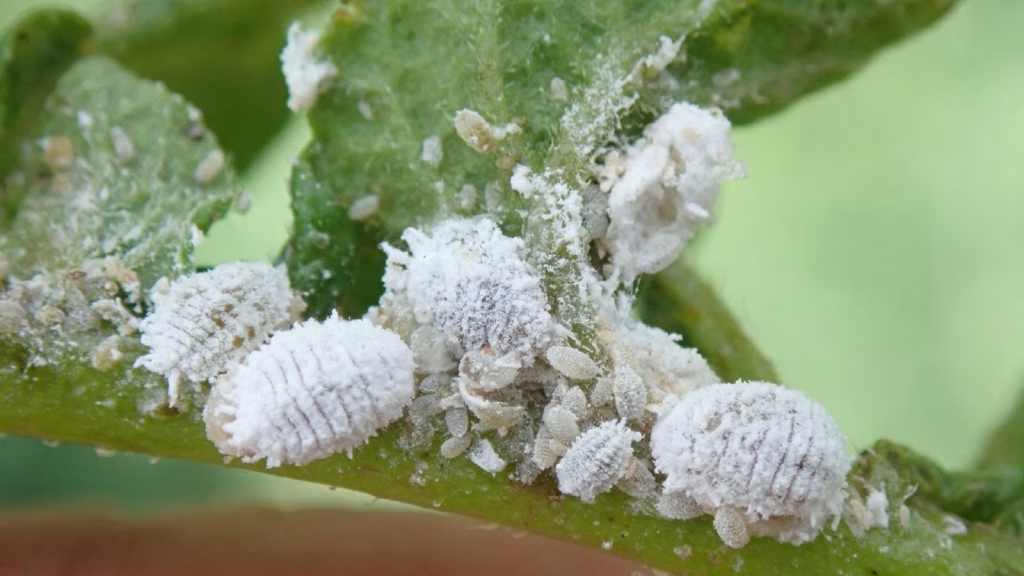
Mealybugs on a plant
Scale Insects: These immobile pests attach themselves to plants, forming hard, protective shells. They suck sap, causing leaf discoloration, stunted growth, and reduced fruit yield.
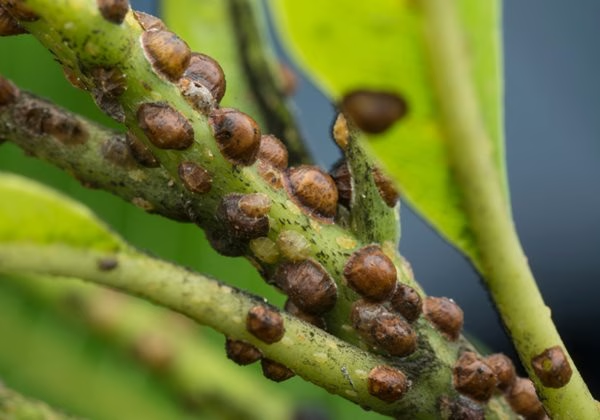
Scale Insects on a plant
Thrips: These slender, winged insects scrape the surface of leaves and flowers, causing silvering or bronzing, distorted growth, and reduced flower and fruit production.
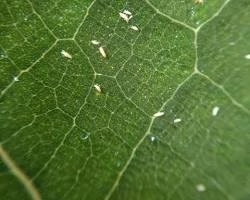
Thrips on a plant
The Devastating Impact of Sucking Pests on Crops
Sucking pests can cause significant damage to a wide range of crops, leading to reduced yields, poor quality, and economic losses. Some of the most common crop diseases associated with sucking pests include:
- Viral Diseases: Aphids, whiteflies, and leafhoppers are known vectors of various viral diseases, such as potato leafroll virus, cucumber mosaic virus, and citrus tristeza virus.
- Fungal Diseases: Honeydew excreted by sucking pests creates a favorable environment for the growth of sooty mold, which can block sunlight and hinder photosynthesis.
- Bacterial Diseases: Some sucking pests can transmit bacterial diseases, such as citrus greening disease.
The Solution: Harnessing the Power of Red Killer Fipronil 2.92 EC
Red Killer Fipronil 2.92 EC is a potent insecticide that offers effective control of a wide range of sucking pests. Its unique mode of action ensures long-lasting residual activity, providing reliable protection for your crops.
Key Benefits of Red Killer Fipronil 2.92 EC:
- Broad-Spectrum Control: Effectively targets a wide range of sucking pests, including aphids, whiteflies, mealybugs, scale insects, and thrips.
- Long-Lasting Residual Activity: Provides persistent control, protecting your crops for an extended period.
- Superior Penetration: Penetrates plant tissues, ensuring systemic action and effective control of hidden pests.
- Flexible Application: Can be applied through various methods, including foliar sprays, soil drenching, and seed treatment.
Safeguarding Your Crops with Red Killer – Fipronil 2.92 EC
By understanding the threats posed by sucking pests and employing effective control measures like Red Killer Fipronil 2.92 EC, you can protect your crops from damage and ensure a bountiful harvest.
Additional Considerations for Optimal Pest Management:
- Integrated Pest Management (IPM): Implement a comprehensive IPM strategy that combines cultural, biological, and chemical control methods.
- Regular Monitoring: Conduct regular field inspections to detect early infestations and take timely action.
- Crop Rotation: Rotate crops to disrupt pest life cycles and reduce populations.
- Resistant Varieties: Plant resistant crop varieties whenever possible.
- Natural Enemies: Encourage the presence of beneficial insects, such as ladybugs and lacewings, to prey on pests.
Remember, a proactive approach to pest management is essential for sustainable agriculture. By taking these steps and utilizing effective insecticides like Red Killer Fipronil 2.92 EC, you can safeguard your crops and secure a prosperous future.