


Hybrid Seeds vs. Desi: Your Farm’s Choice


🌱 The Seed of Decision: Hybrid Seeds or Desi Varieties?
Every successful crop starts with a critical choice: the seeds. For Indian farmers, this often boils down to a key question: should I use high-performing hybrid seeds or stick to traditional desi varieties? Both options have their unique advantages and disadvantages. Understanding these differences is vital for making an informed decision that impacts your farm’s yield, costs, and overall health.
At Krushi Vikas, we believe in empowering you with knowledge and quality products. We offer a range of both high-performing hybrid seeds and reliable traditional options to suit diverse farming needs across India. Let’s explore the distinctions to help you decide what’s best for your fields when considering hybrid seeds versus their desi counterparts.
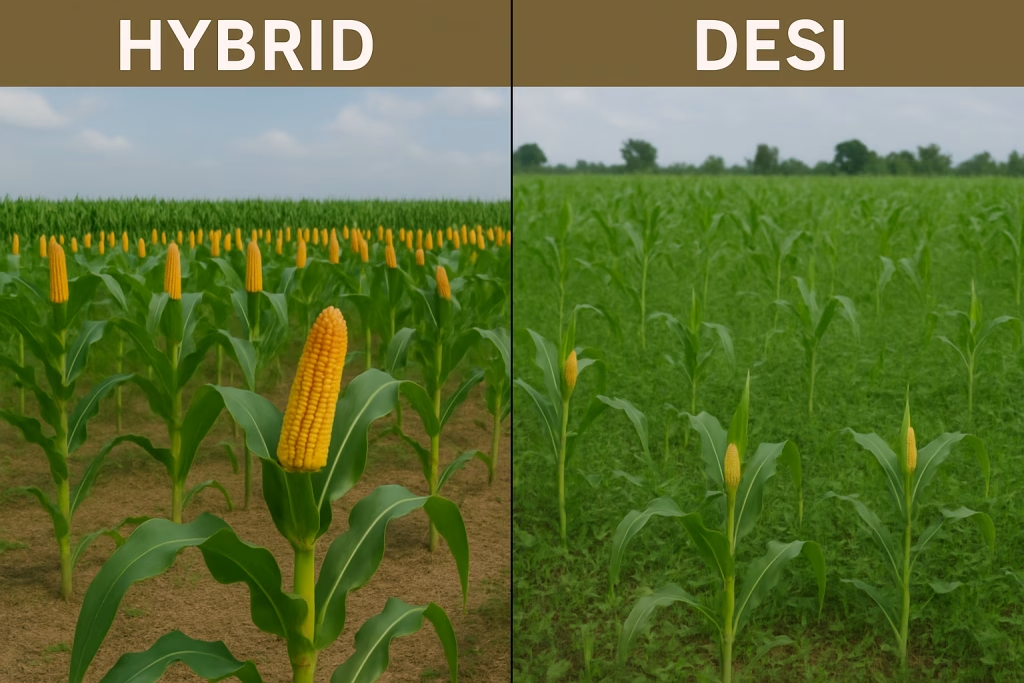
🧬 Understanding Hybrid Seeds: The Power of Cross-Breeding
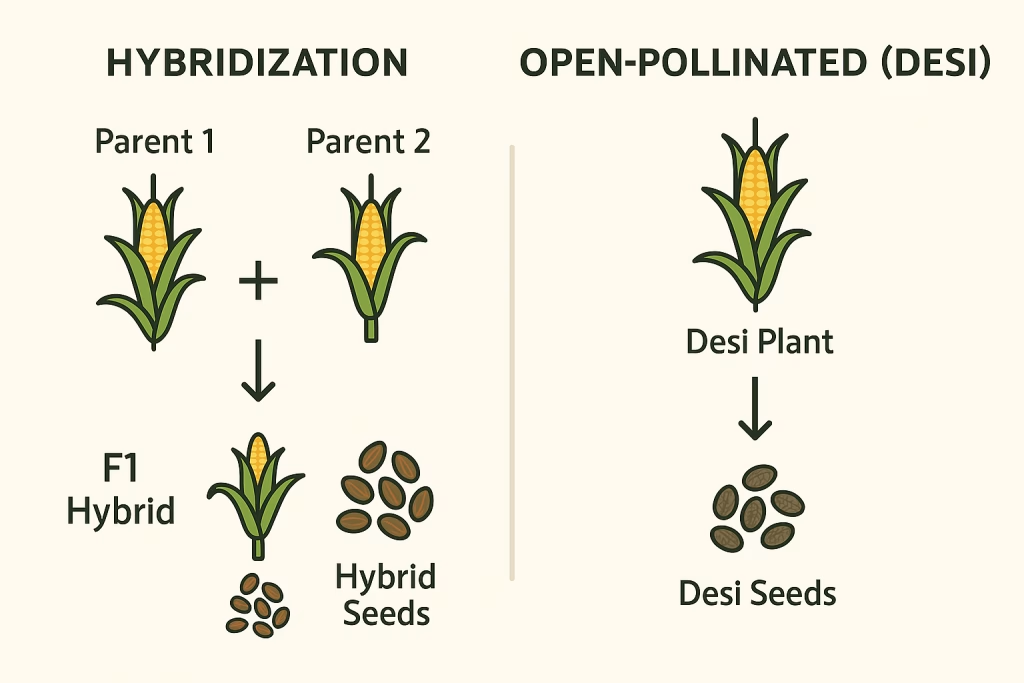
What are Hybrid Seeds? Hybrid seeds are created through a precise process called cross-pollination. Scientists carefully select two different parent plant varieties, each possessing desirable traits, and then cross them. The resulting offspring, the hybrid seeds, often combine the best characteristics of both parents, leading to superior performance. This phenomenon is known as “hybrid vigor” or heterosis.
Key Advantages of Using Hybrid Seeds:
- Significantly Higher Yields: This is the primary reason many farmers choose hybrid seeds. They’re bred for exceptional productivity, delivering much larger harvests per acre compared to traditional varieties, especially under optimal conditions.
- Greater Uniformity: Plants grown from hybrid seeds tend to mature at a similar rate and have consistent growth. This uniformity simplifies harvesting and makes it more efficient, which is a major benefit for commercial farming operations.
- Enhanced Disease and Pest Resistance: A crucial benefit of many hybrid seeds is their built-in resistance to common diseases and pests. This can significantly reduce your reliance on chemical treatments, saving costs and promoting healthier farming practices.
- Improved Quality Traits: Beyond just yield, hybrid seeds are often developed to possess specific desirable qualities. Think larger fruit size, better color, extended shelf life, or even enhanced nutritional content, meeting market demands more effectively.
- Efficient Resource Response: Hybrid seeds typically respond exceptionally well to optimal inputs like balanced fertilizers and consistent irrigation. This means your investment in farm resources can translate into maximum output.
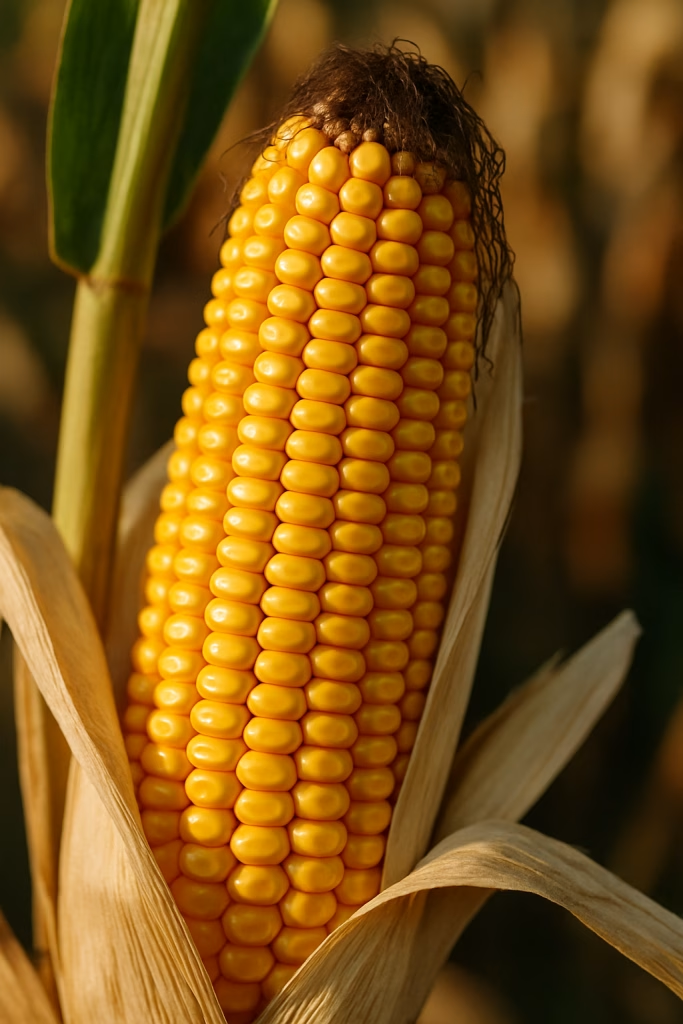
Considerations When Using Hybrid Seeds:
While the benefits are substantial, there are a few points to consider:
- Cost of Hybrid Seeds: Generally, hybrid seeds are more expensive than desi seeds. Remember, the beneficial traits usually don’t carry over reliably to the next generation (F2 generation), meaning you typically need to purchase new hybrid seeds each season.
- Input Requirements: To unlock their full yield potential, hybrid seeds often thrive with specific management practices, including precise fertilizer applications and consistent irrigation. They might not perform as well in very marginal conditions without these inputs.
- Reduced Genetic Diversity: An agricultural system heavily reliant on only a few high-yielding hybrid seeds varieties can lead to a decrease in overall crop genetic diversity, potentially making crops more vulnerable to new diseases or significant climate shifts over time.
🌾 The Roots of Desi Seeds: Tradition and Resilience
What are Desi Seeds? Desi seeds, also known as open-pollinated or traditional varieties, are those that have been passed down through generations. They naturally pollinate and produce seeds that will grow into plants similar to the parent plants, allowing farmers to save and replant them year after year.
Advantages of Desi Seeds:
- Cost-Effective: Farmers can save seeds from their harvest for the next planting season, making them virtually free after the initial purchase. This significantly reduces input costs.
- Adaptability: Desi varieties are often well-adapted to local climatic conditions, soil types, and traditional farming practices. They tend to be more resilient in challenging or low-input environments.
- Environmental Friendliness: They promote biodiversity and local ecosystems. They also generally fit well with organic and sustainable farming methods.
- Nutritional Value & Flavor: Many traditional varieties are prized for their unique flavors and often boast higher nutritional value compared to some commercial hybrid seeds.
- Farmer Autonomy: Saving seeds gives farmers greater independence and control over their agricultural cycle.
Disadvantages of Desi Seeds:
- Lower Yield Potential: Generally, desi varieties do not produce as high a yield per acre as hybrid seeds, especially under optimized conditions.
- Less Uniformity: Growth patterns and maturity can be less uniform, which might be a disadvantage for large-scale commercial operations.
- Variable Resistance: They may have lower or inconsistent resistance to certain diseases and pests compared to specifically bred hybrid seeds.
- Market Demand: Some traditional varieties might not meet the specific aesthetic or shelf-life demands of modern commercial markets, even if they are more nutritious.
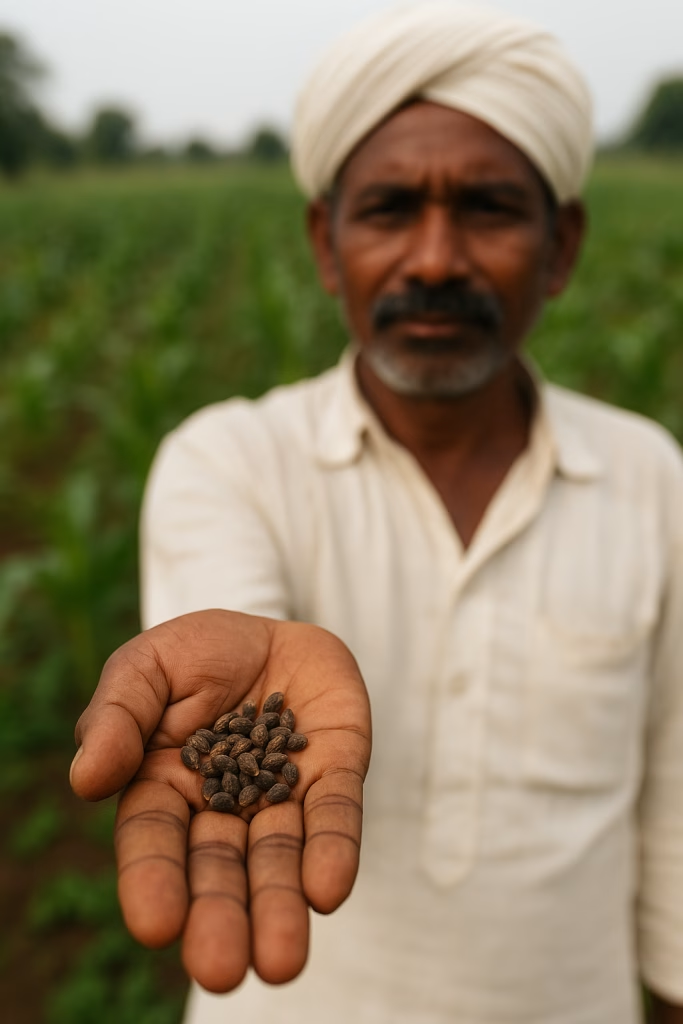
🤔 Hybrid Seeds vs. Desi: Making the Right Choice for Your Farm with Krushi Vikas
The choice between hybrid seeds and desi seeds isn’t a one-size-fits-all decision. It depends on several factors specific to your farm:
- Your Goals: Are you aiming for maximum commercial yield, which hybrid seeds excel at, or is sustainability, cost reduction, and traditional practice more important?
- Resources Available: Do you have access to consistent irrigation, specific fertilizers, and pest management tools often required for hybrid seeds?
- Local Conditions: What are your soil type, climate, and common regional challenges? Desi seeds often thrive where hybrid seeds might struggle without extra care.
- Market Needs: What do your buyers or local markets demand in terms of quality, size, and appearance? Hybrid seeds are often developed to meet these specific market requirements.
Krushi Vikas understands these diverse needs. We offer a balanced selection to empower your choice:
- For High-Yielding Corn: Explore our Krushi Vikas Hybrid Corn Seeds for robust growth and excellent cobs. Buy Hybrid Corn Seeds – Krushi Vikas
- For Superior Cotton Production: Check out our Krushi Vikas Volley Ball BGII Cotton Seeds, known for their performance. Explore Krushi Vikas Cotton Seeds
- For Diverse Vegetable Cultivation: Discover our range of Krushi Vikas Hybrid Vegetable Seeds designed for various conditions. Browse Krushi Vikas Vegetable Seeds
- Boost any Seed Choice: Complement your hybrid seeds or desi varieties with Krushi Vikas Bhumi Gold for excellent germination and robust early growth. Get Krushi Vikas Bhumi Gold Here
Many Indian farmers are now adopting a balanced approach, using hybrid seeds for cash crops where high yield is paramount, and preserving desi varieties for household consumption or for maintaining biodiversity on part of their land.
✅ Grow Smarter with Krushi Vikas: Your Trusted Source for Seeds
Both hybrid seeds and desi seeds have their place in modern Indian agriculture. By understanding their characteristics, you can make informed decisions that lead to healthier crops, better yields, and more profitable farming.
At Krushi Vikas, we are committed to providing you with the highest quality hybrid seeds and other agricultural solutions, along with the knowledge you need to succeed.
📣 Ready to Choose Your Seeds?
- Explore All Krushi Vikas Seeds: Find the perfect hybrid seeds or desi varieties for your next crop. Shop All Krushi Vikas Seeds
- Need Personalized Seed Advice? Connect directly with our Krushi Vikas team on WhatsApp! Call us at 8000004423. We’re ready to help you make the best choice for your farm.
FAQ Block: Hybrid Seeds vs. Desi Seeds❓
Q1: Can I save seeds from hybrid plants for the next season? A: You can, but it’s generally not recommended. Seeds saved from hybrid seeds (F1 generation) often produce offspring (F2 generation) that don’t have the same high yield, uniformity, or disease resistance as the parent hybrid seeds. For consistent results, new hybrid seeds should be purchased each season.
Q2: Are desi seeds better for organic farming than hybrid seeds? A: Desi seeds are often preferred in organic farming because they are open-pollinated, allowing for seed saving, and they are typically better adapted to local, natural conditions and lower-input systems. While some organic hybrid seeds exist, traditional desi varieties generally align more directly with the core principles of seed saving and local adaptation in organic practices.
Q3: Do hybrid seeds always need more chemicals compared to desi seeds? A: Not necessarily more chemicals, but hybrid seeds often require precise and consistent inputs (fertilizers, irrigation) to achieve their full genetic potential. While some are bred for pest/disease resistance, others might still need targeted pest management. The overall input strategy for hybrid seeds is often more intensive than for resilient desi varieties.
Q4: How can Krushi Vikas help me choose between hybrid seeds and desi seeds? A: Krushi Vikas offers both high-quality hybrid seeds and traditional (desi) seeds. Our expert team can provide personalized advice based on your specific crop, soil type, climate, and farming goals, helping you weigh the benefits of hybrid seeds against desi options. Just contact us via WhatsApp or phone!
This guide was crafted by the agricultural experts at Krushi Vikas. Our team is dedicated to providing Indian farmers with comprehensive knowledge and high-quality hybrid seeds, traditional varieties, and other solutions, empowering them for sustainable growth and greater prosperity.
External References for Further Reading:
- Indian Council of Agricultural Research (ICAR): https://icar.org.in/ (For general agricultural research and advancements in India)
- National Seed Corporation of India (NSC): https://www.indiaseeds.com/ (For official information on seed varieties and policies in India)
- You could also link to an academic article or government publication in India that discusses hybrid seeds specifically, or comparison studies, if available and easily accessible to farmers. (e.g., search university extension sites for “hybrid vs desi crop performance”).