


Best High Quality Tarpaulin at Cheap price

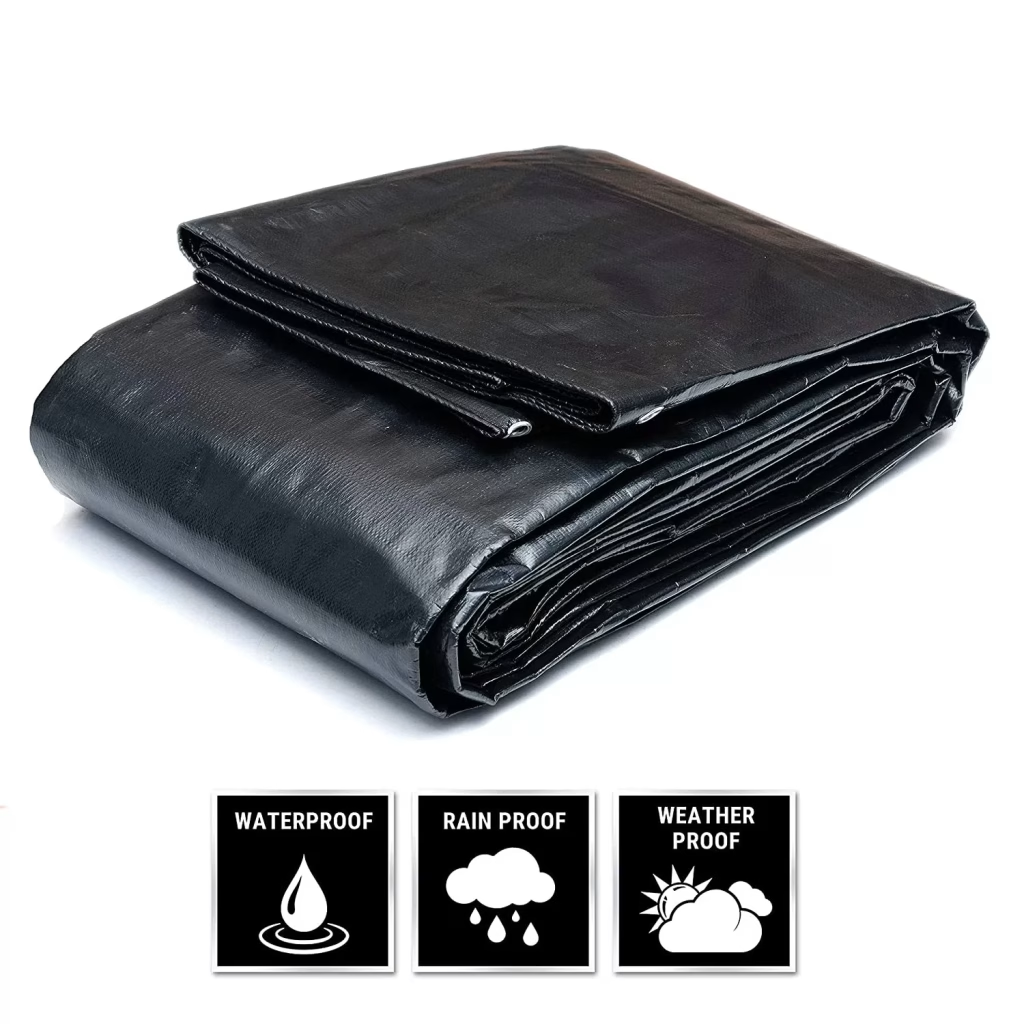

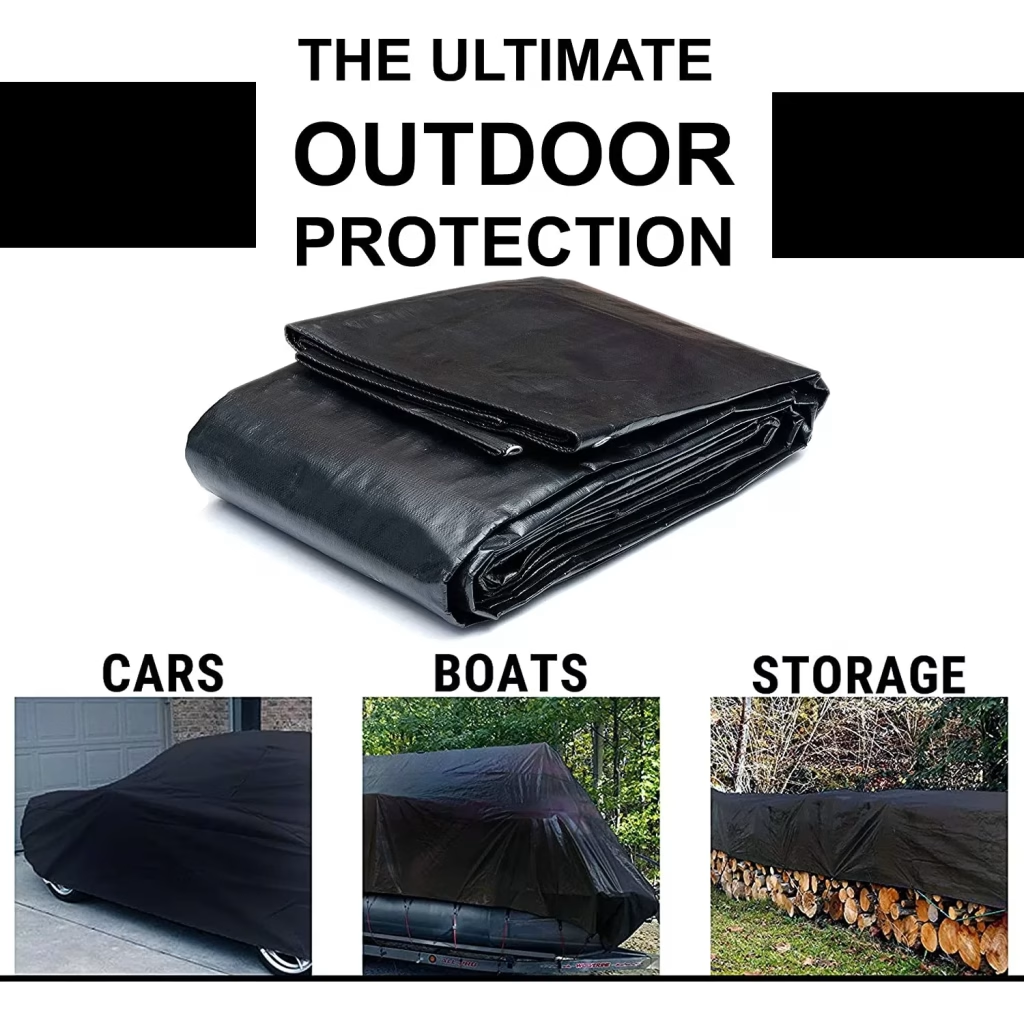

Tarpaulins, often referred to as "tarps," are incredibly versatile and widely used in agriculture for a variety of applications. From protecting crops to providing shelter for livestock, tarpaulins have become an essential tool for farmers. In this blog, we will explore the different types of tarpaulins, their benefits, and how they can be used to enhance agricultural productivity.
A tarpaulin is a large sheet of strong, flexible, waterproof material, often made of canvas, polyethylene, or vinyl-coated fabric. Tarpaulins are reinforced with eyelets at the corners and along the edges, allowing them to be tied down or secured with ropes. This makes them ideal for protecting objects from rain, sun, wind, and dust.
Polyethylene (PE) Tarpaulins: These are lightweight, waterproof, and resistant to UV rays, making them perfect for outdoor use. PE tarps are commonly used to cover hay, crops, and machinery.
Canvas Tarpaulins: Made from heavy-duty, breathable material, canvas tarps are ideal for covering farm equipment and providing shade for livestock. They are durable but not fully waterproof, making them suitable for applications where ventilation is needed.
Vinyl Tarpaulins: Known for their strength and resistance to harsh weather conditions, vinyl tarps are ideal for heavy-duty applications such as covering large equipment, greenhouses, or using as pond liners.
Mesh Tarpaulins: These tarps are designed to provide shade and reduce wind impact without completely blocking airflow. They are often used in nurseries, shade houses, and as windbreakers.
Crop Protection: Tarpaulins can protect crops from extreme weather conditions like heavy rain, frost, or intense sunlight, helping to prevent crop damage and loss.
Livestock Shelters: Farmers use tarps to create temporary shelters for animals, providing shade and protection from rain and wind. Mesh tarps are particularly useful in maintaining a cooler environment for livestock.
Hay and Silage Covering: Proper storage of hay and silage is crucial to maintaining its nutritional value. Waterproof tarpaulins are used to cover and protect these feeds from moisture, reducing spoilage and wastage.
Equipment and Machinery Protection: Agricultural machinery is often exposed to the elements, which can lead to rust and deterioration. Using tarpaulins to cover equipment helps extend its life by shielding it from weather and dust.
Temporary Storage Solutions: Tarpaulins can be used to create temporary storage spaces for grains, fertilizers, and other materials, protecting them from rain and pests.
Soil and Ground Covering: Tarps are used as ground covers to prevent weed growth, control soil erosion, and retain soil moisture, contributing to healthier crops.
When selecting a tarpaulin, consider the specific requirements of your agricultural application. Factors like size, material, durability, and UV resistance play a significant role in determining the best tarp for the job. For instance, if you need a tarp for long-term outdoor use, opt for a UV-resistant vinyl tarp. For breathable, lightweight coverage, a canvas tarp might be more suitable.
Tarpaulins are an indispensable tool in modern agriculture, offering protection, convenience, and cost savings. Whether you need to safeguard crops, shelter animals, or cover equipment, there’s a tarp for every need. By choosing the right type of tarpaulin and maintaining it properly, you can enhance your farm’s productivity and protect your valuable resources.
For more tips and products related to agriculture, visit Krushivikas.
Buy Best Tarpaulin for your use
No account yet?
Create an Account